
8 Unhinged Things I Did To Heal My Attachment Style
If you're someone who wants to work on healing your attachment style, here are some of the unhinged things I did to go from having a disorganized attachment style to leaning secure.
This post contains affiliate links. I may receive a commission from purchases at no extra cost to you. Read my full disclosure here.
Healing your attachment styles is one of the best things you can do not only for yourself, but for your relationships as well. If you’re interested in working towards healing your attachment style, here are all the unhinged things I did to heal mine.
What I did to heal my attachment style.
8 Unhinged Things I Did To Heal My Attachment Style
1. I Hyperfixated On Learning About Attachment Styles
The first unhinged thing I did was form an obsession about learning about the subject. Once I became aware of attachment styles, I did everything I could to learn more about them. Whether that was learning about why people have certain attachment styles, behaviors people with different attachment styles display, or how to heal and become more securely attached.
I obsessively consumed all the content I could find about it. I watched Youtube videos, watched TikToks, read books, and listened to podcasts about it. If I was consuming any type of content during this time, odds are, it was about attachment styles.
Books that helped me:

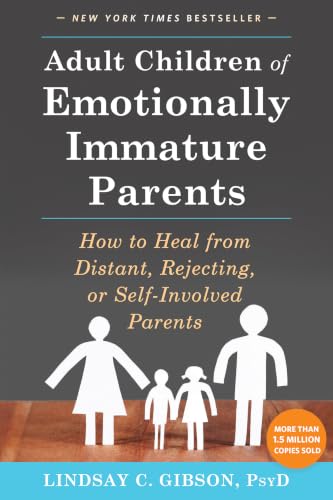
Read my full list of book recs for healing your attachment style here.
2. I Looked For Examples Of Secure Attachment EVERYWHERE
Once I learned how to pinpoint the different behaviors of people with each attachment style, I started actively looking for examples of secure attachment. I closely examined any examples of securely attached people I could find in movies, books, and real life.
Reality dating shows are especially good for this. I most recently watched Love Island UK, and it was so interesting trying to pick out everyone’s attachment styles on the show.
Obviously, you can never know someone’s attachment style for certain based on a tiny snapshot of their life like that, but once you have a good understanding of the ways people with certain attachment styles think, and the ways they’re likely to act in given situations, you’ll be able to get a pretty good guess about which attachment style they probably have.
3. I Formed A Secure Attachment Blueprint
Once I was able to pinpoint examples of the different attachment styles, I formed a blueprint based on the ways securely attached people responded/ reacted in different situations, their attitudes about themselves, their attitudes about their relationships, etc. The traits I saw securely attached people display, I decided to adopt for myself and apply to my own life.
4. I Pretended To Be Secure. I Played The Part
After I got that good understanding of how secure people would act in different situations, I applied that knowledge to myself. Any time I was faced with a situation that would trigger my attachment style, I would ask myself: “How would a securely attached person respond in this situation?” and I’d do that.
For example, let’s think of a scenario that happens a lot in people with anxious attachment. They have some form of disagreement or conflict with their partner, it triggers feelings of abandonment, and then the person with anxious attachment feels the need to overcorrect. They try to find ways to reassure themselves of the connection and that they’re not being abandoned. This typically leads to behaviors like texting lots of big, long paragraphs, calling their partner over and over, and generally finding ways to eliminate any kind of space caused by the conflict.
On the flip side, someone with secure attachment would have a different reaction. Unlike someone with anxious attachment, they wouldn’t feel only as safe as their last interaction with their partner. They would know their relationship as a whole was based on more than just one disagreement. So, they would likely take the necessary time/ space to regulate their own emotions after the disagreement.
They wouldn’t necessarily feel the same sense of urgency to make sure things are okay between them and their partner as someone with anxious attachment would. So, they’d likely take a bit of time to themself, give their partner some space to feel their feelings as well, and then be ready to sort things out and reconcile after.
So, when a situation like this would happen in my own life, even if the secure behavior was contrary to how I was feeling inside, I would still do it. Doing this slowly showed my nervous system that it was safe to relax and not be so reactive. It slowly taught my body that feeling so agitated wasn’t necessary to get the results I wanted (aka feeling at peace, happy, and content in my relationship).
5. I Learned To Self Regulate
The process of learning not to act on attachment style triggers can be very, very uncomfortable. Actively choosing to act in a way that is contrary to how you’re feeling inside is tough, especially when you’re in a really reactive state.
That’s where self regulating comes in. Being able to regulate your own emotions without seeking reassurance from someone else is key.
Here are some of the things I practiced to self regulate and stop being so reactive.
Somatic Release
This is a technique that focuses on letting emotions move through your body so they can be released. This is probably the most unhinged thing I did, because some of the things you can do for this make you seem a bit like a feral creature. Personally, I would scream into pillows, beat up my giant squishmallow (deepest apologies for the abuse I’ve inflicted on that squishmallow), jump around and shake my body, etc.
There are other ways you can do it, and I highly recommend looking into somatic therapy techniques in general if you have trouble regulating your emotions and tend to be reactive. When you’re feeling particularly triggered, giving those big emotions an outlet and way to move through your body can be really helpful.
Bilateral Stimulation
If you’ve ever heard of EMDR, this is what they use during EMDR. According to a quick google search, bilateral stimulation is used “to help individuals process and integrate difficult memories, emotions, and experiences.” Basically, it helps activate both sides of your brain so you can process things better.
I briefly did EMDR after a car accident, so I’ve taken some of the techniques I learned then and applied them to other stressful situations in my life. When I was in situations where I felt particularly triggered attachment style-wise, I would do butterfly tapping or other sorts of bilateral tapping.
I recently also started listening to a bilateral stimulation playlist on Spotify when I’m stressed out or need to focus, and it’s been very helpful as well. Here is the bilateral stimulation playlist I’ve been listening to lately.
Swaying side to side or rocking back and forth are both common forms of bilateral stimulation as well. Lots of people do these two without even thinking about it.
Breath Work
I know everyone talks about this, so it’s hardly unhinged, but it helped me a ton when I felt like my attachment style was particularly triggered. Don’t underestimate the power of breathing when you’re having big feelings.
I most often would do some form of box breathing. I would breathe in for 4, hold it for 4, breathe out for 4, hold it for 4 again, and repeat. I would also do an exercise where you breathe in for 4, hold for 7, and exhale for 8. It’s called, unironically, 4-7-8 breathing.
I’ve noticed that now, when something stressful happens, my body starts taking deeper breaths automatically. I don’t even have to consciously think about doing it at this point.
For example, right after I found out my dad had his heart attack, internally, I was freaking out and starting to panic (understandably). However, even though I wasn’t consciously trying to, I noticed my body automatically pausing to take deep breaths, and it even automatically started doing forms of bilateral stimulation, like tapping and swaying. It’s kind of wild how once you have a practice of self regulating, your body remembers and can take over in times of high stress to calm you down.
Alpha/ Theta Entering Meditations
Another less unhinged, and probably the most effective, way I practiced self regulating is through meditations that focus specifically on getting you to the slower brainwave states, like alpha or theta.
If you’ve heard of Dr. Joe Dispenza, his meditations are great for this. Getting into these slower brainwave states allows you to deeply relax and directly access your subconscious mind. When you’re in these states, you can literally reprogram your brain and body.
Joe Dispenza’s book Breaking the Habit of Being Yourself is a great read if there are specific things you’d like to reprogram/ change about yourself (like your attachment style). All of his books are great for learning about the science of how meditations affect your brain and body!

Journaling + Re-reading Old Journal Entries
Working through your feelings on paper, rather than venting them to someone else, is so underrated when it comes to healing your attachment style. I’ve journaled extensively for the majority of my life, and I cannot imagine where I’d be without it. Whenever something stressful happens, the first thing I want to do is journal about it.
The best journal I've found on Amazon + the best journaling pens:
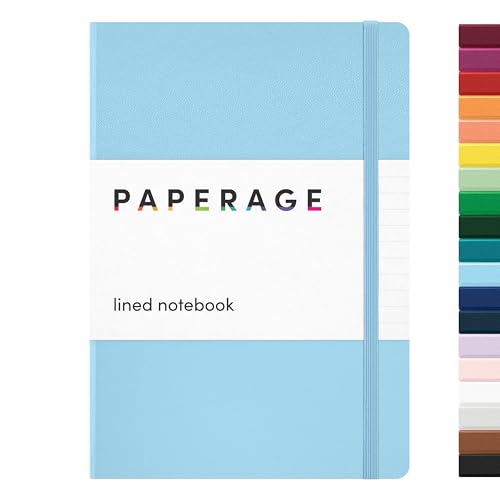

I don’t do any specific journaling method, just normal stream of consciousness journaling where I write whatever comes to mind or however I’m feeling in the moment. I know not everyone likes to go back and read old journal entries, but I have found reading old entries IMMENSELY helpful in being able to recognize thought patterns and issues I need to work on in myself, especially when it comes to my attachment style.
It is also really helpful to get your thoughts out of your own head and into the world, specifically if you’re anxiously attached. If you’re someone who tends to over-communicate/ word vomit when you’re in conflict with someone (which is common for people with anxious attachment), journaling would likely help with that a lot.
6. I Put Myself In Timeout When Feeling Too Reactive
In times where practicing self regulation just didn’t do the trick quickly enough, I would remove my own access to the person I was in conflict with to avoid acting on triggering feelings.
For example, if my partner and I weren’t together in person (we did long distance for a while) and were primarily communicating via text, I would turn my phone off and lock it away in a drawer. I would remove my own access to my phone to avoid doing or saying anything hurtful/ damaging.
I haven't personally used this product, but someone in my comment section said they use a phone lock box like this one for this, and I think that is GENIUS. It has great reviews.
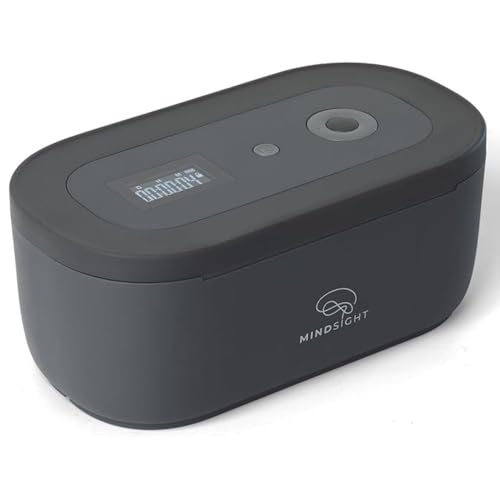
This is obviously not a permanent solution, and without an adequate amount of communication, going MIA can also be hurtful. However, if you’re able to effectively communicate that you’re feeling very upset and need some space in the moment, this can be a good thing to do.
However, when your attachment style is triggered, you might not be thinking clearly/ logically enough to be able to communicate to that extent (I know I couldn’t). Unfortunately in situations like this while you’re actively working on healing, sometimes it can come down to the lesser of two evils. Turning your phone off for a bit with no communication can still be an issue, but it is often less of an issue than saying the things you might say if you were to leave your phone on.
If you’re able to communicate to your partner beforehand that you might need some space like that during conflict to avoid saying/ doing things in the heat of the moment, that would probably be best. Then, you’d have the necessary space to take a moment to calm down and not act on feelings alone.
Now that I lean more secure, I’m MUCH better able to communicate when I’m feeling upset and that I need a moment to regulate, because conflict doesn’t feel like the absolute end of the world anymore like it did before I healed my attachment style. Now, when I’m feeling big feelings, I’m able to take some deep breaths, go for a walk, journal, etc, and come back ready to work things out from a clearer state of mind.
7. I Let My Partner Know My Triggers, While Still Knowing It Was A ME Problem
Obviously, even if you have issues with your attachment style, the goal in a relationship isn’t to be triggered all the time. You deserve to feel at peace, and at the same time, your partner deserves to not have to be catering to your reactivity all the time (I say lovingly as someone who had to learn this myself). So, it is important to be actively working on yourself and healing your own issues, while at the same time giving your partner a roadmap of the things that upset you so you can minimize conflict in the interim.
When giving this roadmap, being able to differentiate between your genuine non-negotiables and things that are just triggers is really important. It can be hard to differentiate between the two, but I’d recommend making a list. Thinking of it as “things that bother you now but you could see not bothering you in the future”, vs. “things you cannot imagine yourself ever being comfortable with”, can be a good way of going about it. That should help you see the difference between your actual values and things that are triggers.
Also, choosing a partner who doesn’t frequently trigger you, and who is willing to help you work through things, is SO important. Being with someone who constantly does things that trigger you can impede your healing journey and make things much more difficult.
If you’re with someone who constantly triggers you, despite them knowing the things that bother you, you might have a genuine value misalignment happening there. If this is the case, it might be a good idea to re-evaluate the relationship and consider whether this person will be able help you on the journey to becoming the best version of yourself or not.
8. I Chose A Partner Who Is Secure
If you’re not currently in a relationship and you’re wanting to heal your attachment style, this is probably the MOST important thing you can do. In the book Attached by Amir Levine, he talks about how when one member of the relationship is securely attached, the other person is much more likely to ALSO become securely attached. Choosing a partner who leans secure has been one of the best things I’ve done to help me heal my attachment style.
If you are currently in a relationship with someone who doesn’t have a secure attachment style, however, this logic still applies. If you start to lean more secure, your partner is more likely to become more secure as a result.
So, you can use that knowledge to your advantage even if you are currently in a relationship with someone who isn’t secure. It is still possible to heal your attachment style in a relationship with a non-secure partner, it just makes it a little harder than if you choose someone who is secure right off the bat.
Those are some of the most unhinged things I did to heal my attachment style! I hope these tips help.
This post was all about 8 things I did to heal my attachment style.
More Posts You'll Love:
My book recommendations for healing your attachment style
2026 Reading List | Must-Reads Booktok Is Raving About
View all my tips for self-care here
If you liked this post and would like to be notified of the next time I post, be sure to subscribe by hitting the button below! See you next time! 🙂